Tree Removal Yuma AZ
Safe Tree Removal for High-Risk Desert Properties.
When a tree is dead, leaning, storm-damaged, too close to a structure, or simply in the wrong place, removal needs more than a chainsaw. NEXTLEVEL plans the work around access, targets, rigging, equipment, cleanup, and property protection.
Tree Removal built for Yuma properties
Tree removal in Yuma is rarely a simple drop-and-haul job. Many properties have block walls, pools, patios, gravel landscapes, irrigation lines, tight gates, parked vehicles, shade structures, and rooflines close to the work area. Desert heat, wind exposure, compacted soils, and inconsistent irrigation can also change how a tree behaves and how much risk it creates. NEXTLEVEL approaches removal as a controlled operation, not a rushed cut.
The right removal plan protects people, property, and access while making the site easier to use afterward. Some trees can be preserved with pruning or support recommendations, but others are too compromised, poorly located, or hazardous to retain. NEXTLEVEL evaluates the condition of the tree, the targets around it, and the safest practical way to complete the work before recommending a removal scope.
Yuma-specific local context
Tree Removal work in Yuma has to account for desert heat, monsoon-season wind, irrigation stress, tight residential access, block walls, pools, gravel landscapes, and commercial properties that need clean presentation. NEXTLEVEL serves Yuma, Foothills, Somerton, Wellton, San Luis, and surrounding Yuma County areas.
Because local properties vary so much, NEXTLEVEL does not treat every job as the same task. Recommendations are based on the visible tree condition, the customer's goal, access, nearby targets, safety concerns, and the level of cleanup expected at the end of the project.
Customer problems this service solves
Customers call for tree removal when a tree is dead, split, leaning, uprooting, storm-damaged, pressing into a structure, lifting hardscape, blocking access, or dropping large limbs. In Yuma County, removals also come up when trees outgrow small residential lots, interfere with RV gates, crowd pools, or create concerns before monsoon season. A tree can look manageable from the street while still creating serious risk over a roof, wall, walkway, or driveway.
The biggest mistake is treating every removal like the same job. Limited access, brittle wood, heavy sections, hidden decay, and nearby targets can turn a basic removal into a high-consequence project. NEXTLEVEL identifies those constraints early so the customer understands what needs to happen and why.
The NEXTLEVEL process
The process starts with photos, location, urgency, and site details. When needed, NEXTLEVEL reviews the tree in person, looks at access and targets, and discusses stump grinding, debris handling, and cleanup expectations. The work plan considers equipment placement, sectioning strategy, haul routes, and protection for nearby property.
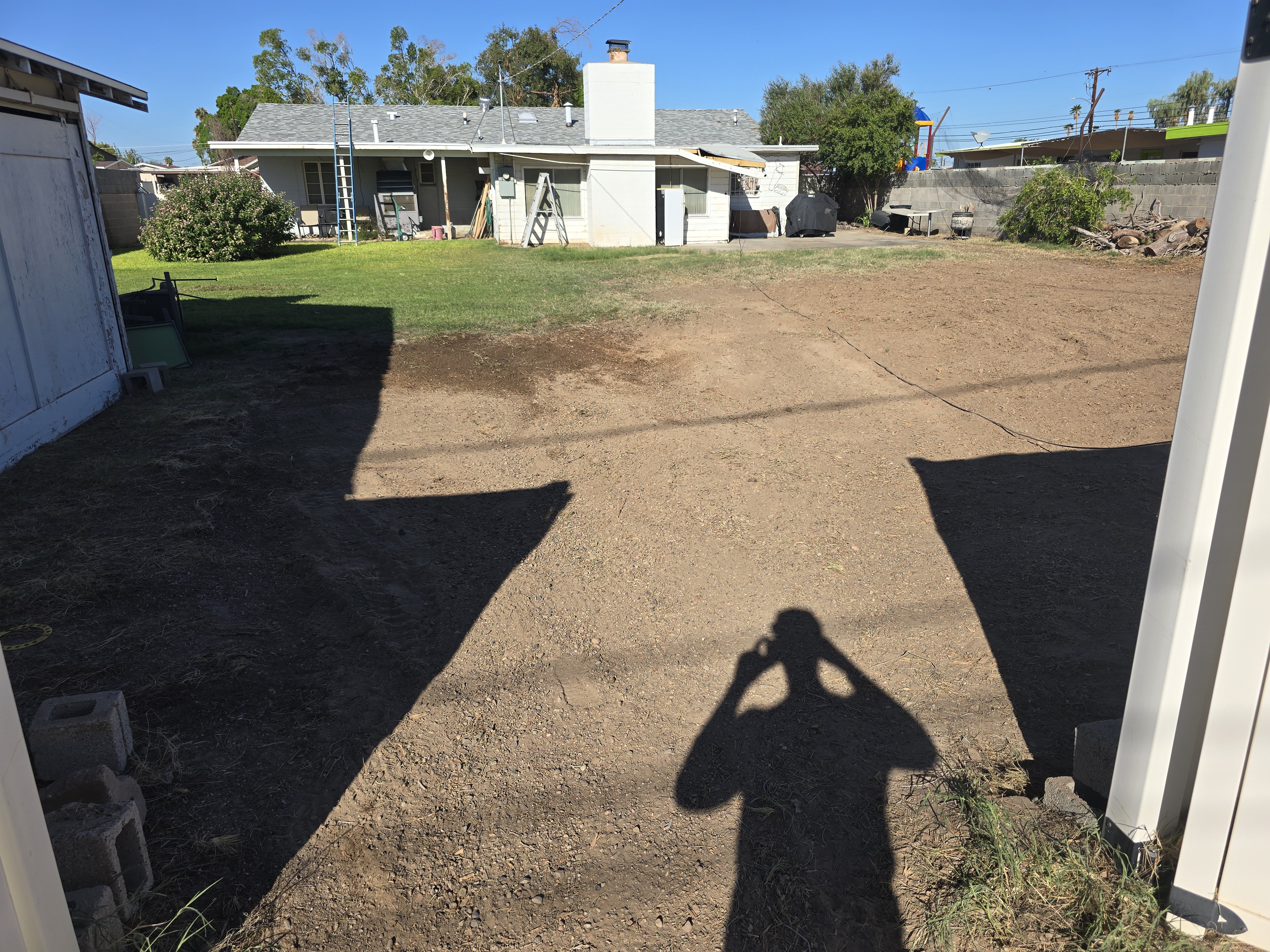
During removal, the crew works in a controlled sequence. Sections are cut, lowered, handled, chipped, loaded, or staged according to the site plan. After the tree is down, debris is managed and the work area is cleaned to the agreed scope. If stump grinding is included, that step can be completed so the area is safer and easier to landscape.
Safety, credentials, and professional standards
Tree removal is the service where credentials and discipline matter most. ISA Certified Arborist judgment helps determine whether removal is truly necessary, while TRAQ Qualified risk awareness helps frame the consequences of waiting too long on a compromised tree. NEXTLEVEL is licensed and insured, uses professional equipment, and plans work around safety, not shortcuts.
For customers comparing options, the most important question is not simply price. It is whether the company understands the targets, access, tree condition, equipment requirements, and cleanup scope. A premium removal should leave the property safer, cleaner, and easier to use.
Tree Removal services include
- Hazardous tree removal
- Dead tree removal
- Leaning tree removal
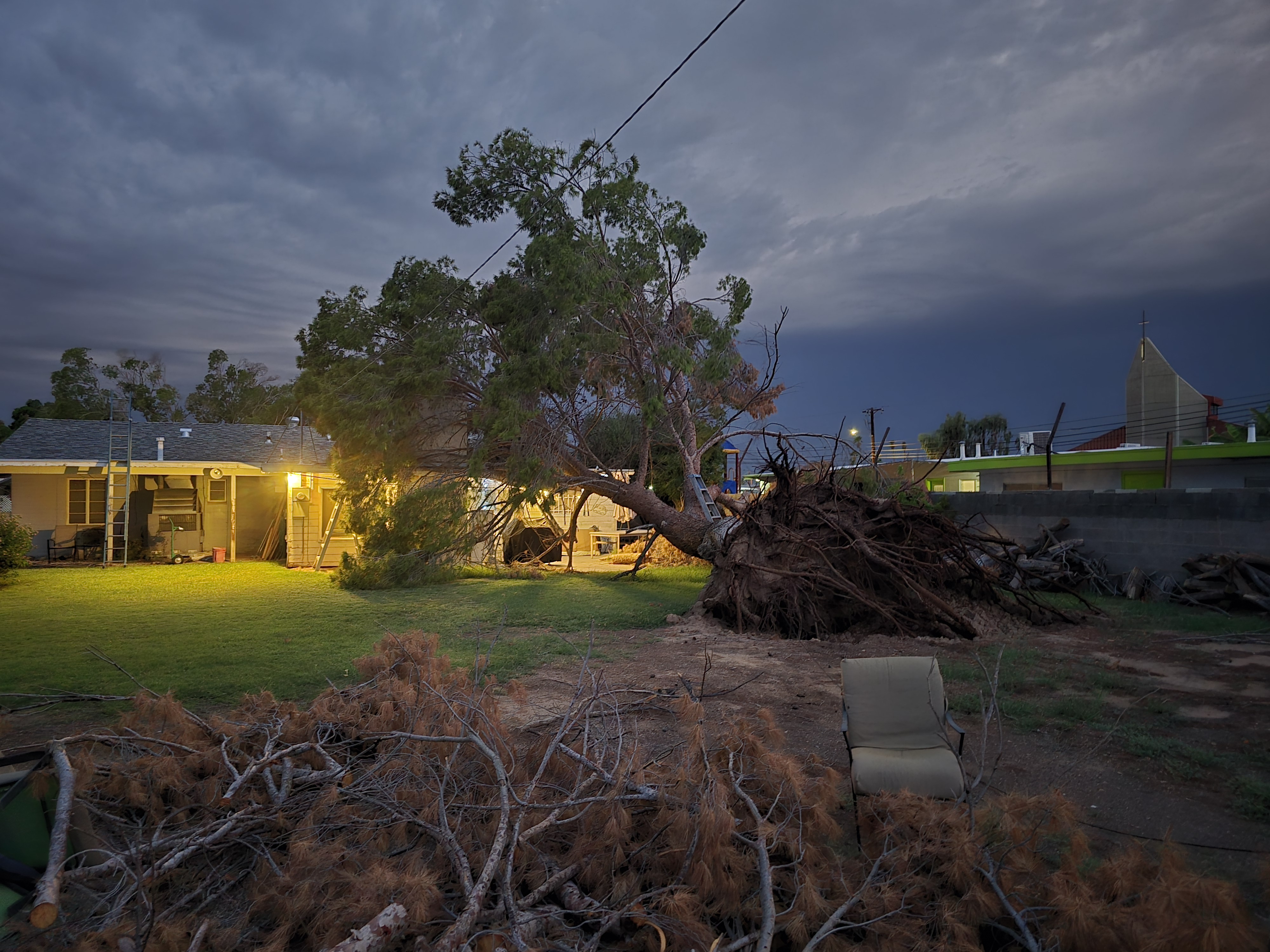
- Storm-damaged tree removal
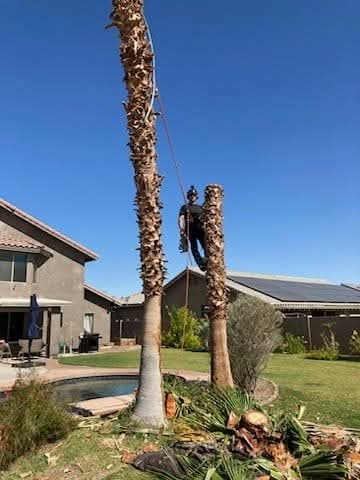
- Palm tree removal
- Removal near homes and walls
- Debris chipping and hauling
- Optional stump grinding
Real NEXTLEVEL field imagery
Tree Removal FAQs
How do I know if a tree needs removal?
Removal may be appropriate when defects, lean, decay, storm damage, access conflicts, or target risk cannot be corrected with pruning. NEXTLEVEL can help determine whether pruning, monitoring, or removal is the safer next step.
Can you remove trees near block walls, roofs, or pools?
Yes. Those sites require more planning, controlled cutting, and property protection. Access and targets are reviewed before the removal method is chosen.
Is stump grinding included?
Stump grinding can be added to a removal scope. It is discussed separately because depth, access, cleanup, and future use of the area can vary.
Do you haul away the debris?
Debris hauling and cleanup can be included. The scope should be confirmed before work begins so expectations are clear.
Do you provide emergency removal?
Yes, hazardous and storm-damaged trees can be prioritized when they threaten access, structures, vehicles, or safety.
Remove the risk before it becomes damage.
Request a clear tree removal recommendation from a Yuma company built for controlled, safety-first work.