
Emergency Tree Service Yuma AZ
Priority Help for Hazardous Tree Situations.
When storm damage, broken limbs, fallen trees, or blocked access create immediate risk, NEXTLEVEL responds with safety-first tree service and clear next steps for Yuma County properties.
Emergency tree work starts with control.
Urgent tree situations can involve power lines, roofs, vehicles, blocked driveways, unstable trunks, hanging limbs, or debris spread across a property. The first priority is to understand the hazard and avoid making the site more dangerous.
Yuma emergency tree service with local urgency
Emergency tree service in Yuma is often connected to sudden wind, monsoon-season storms, irrigation-related instability, failed limbs, or trees that were already stressed before the weather changed. A tree that looked manageable in the morning can block access, threaten a roof, or create hazardous debris by the evening. In Foothills, Somerton, Wellton, San Luis, and nearby Yuma County areas, fast triage matters because properties may have limited access points, gravel drives, RV gates, pools, livestock areas, or commercial operations that cannot stay blocked for long.
NEXTLEVEL focuses first on stabilizing the situation. That may mean clearing a driveway, removing hanging limbs, staging debris away from traffic areas, or identifying when a full removal or follow-up tree risk assessment is needed. The work is practical, calm, and safety-first.
Common emergency problems.
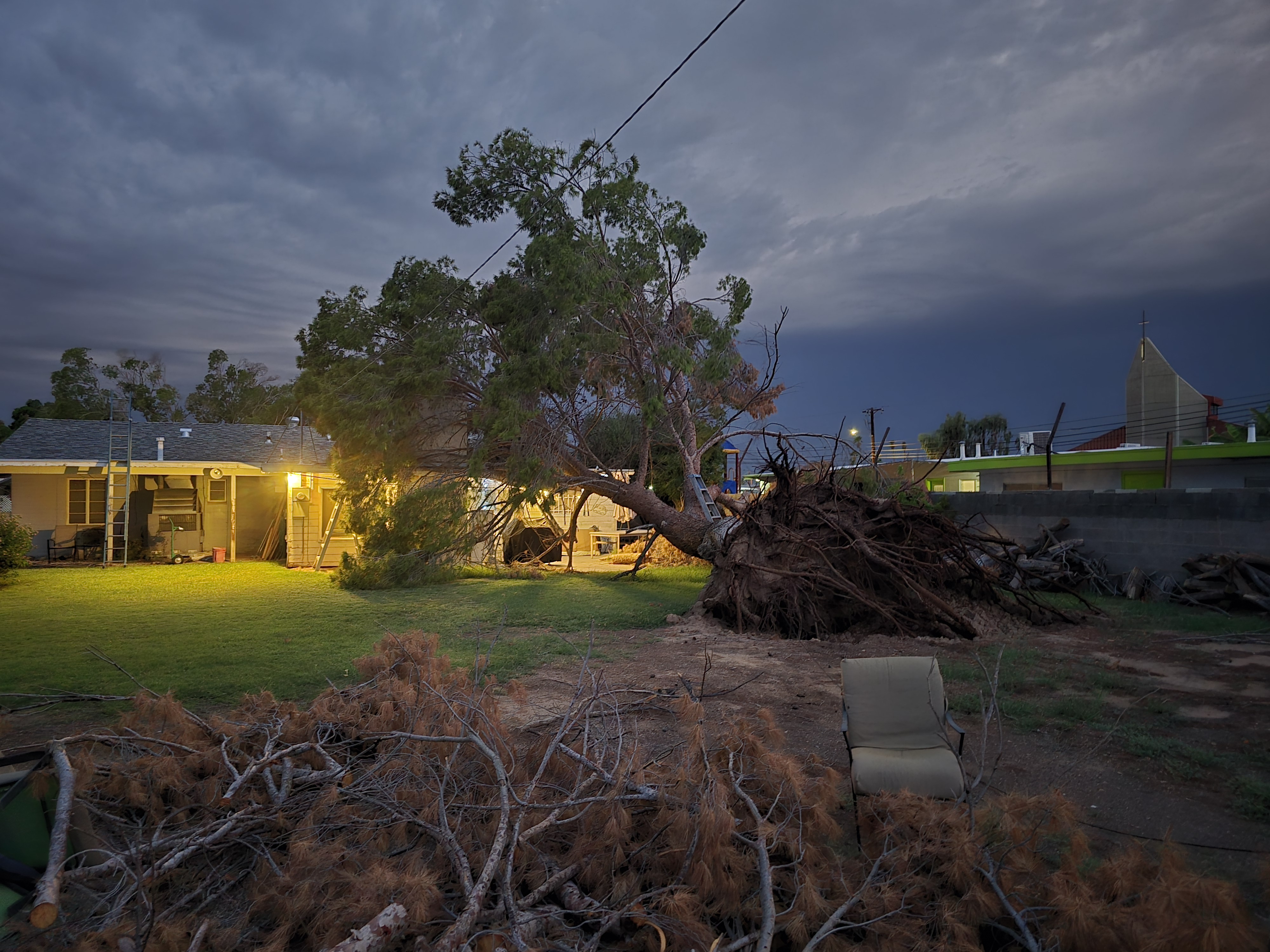
Storm-damaged trees, large broken limbs, fallen trees across access routes, cracked trunks, trees leaning after wind, palm debris, and cleanup after sudden failure are common emergency tree service calls in Yuma.
Customer problems this service solves
Most emergency calls begin with the same feeling: something changed quickly and the property owner needs to know what is safe to do next. A tree may be resting on a wall, a limb may be hanging over a driveway, debris may be blocking the only access route, or a trunk may be visibly split. Customers also call when they are unsure whether a damaged tree can wait or whether it needs immediate attention.
NEXTLEVEL helps separate urgent hazards from cosmetic cleanup. The crew looks at what the tree is contacting, what could be struck if another section fails, whether people or vehicles need to move through the area, and whether weather or darkness increases the risk. That clarity helps the customer make a better decision under pressure.
NEXTLEVEL emergency process.
Call first for urgent situations. We gather location, photos if safe, target information, access details, and immediate hazards. The work is then prioritized around safety, access restoration, debris control, and whether additional assessment or removal is needed.
How the emergency response is planned
The first step is communication. NEXTLEVEL asks for the address, photos or video when it is safe to capture them, the location of people, vehicles, structures, utility lines, walls, pools, and any blocked access. From there, the work is prioritized by risk. A tree blocking a driveway, threatening a home, or creating a public access issue is handled differently than loose debris in an open yard.
On site, the crew establishes a work zone, controls debris, and removes material in a sequence that reduces movement and avoids creating new hazards. When the immediate problem is resolved, NEXTLEVEL can recommend whether remaining tree sections should be removed, pruned, monitored, or reviewed with a more formal risk assessment.
Credentials and safety matter under pressure.
Emergency tree work is not the place for guesswork. NEXTLEVEL combines modern equipment, ISA Certified Arborist judgment, and TRAQ Qualified risk awareness to help property owners make safer decisions quickly.
Safety and documentation for stressful situations
Emergency work can involve unstable wood, tensioned limbs, hidden cracks, poor visibility, and customers who are understandably anxious. NEXTLEVEL keeps the focus on site control and clear decisions. Licensed and insured professionalism matters because the work may happen near homes, vehicles, fences, patios, and other valuable property.
When customers need information for property managers, landlords, commercial decision-makers, or insurance conversations, clear scope details and photos can help document what happened and what was addressed. The goal is to restore safe access, remove immediate hazards, and leave the property owner with a practical next step.
Emergency Tree Service services include
- Storm cleanup
- Broken limb removal
- Fallen tree cleanup
- Blocked access clearing
- Hazardous tree removal
- Palm debris cleanup
- Emergency risk review
- Debris hauling
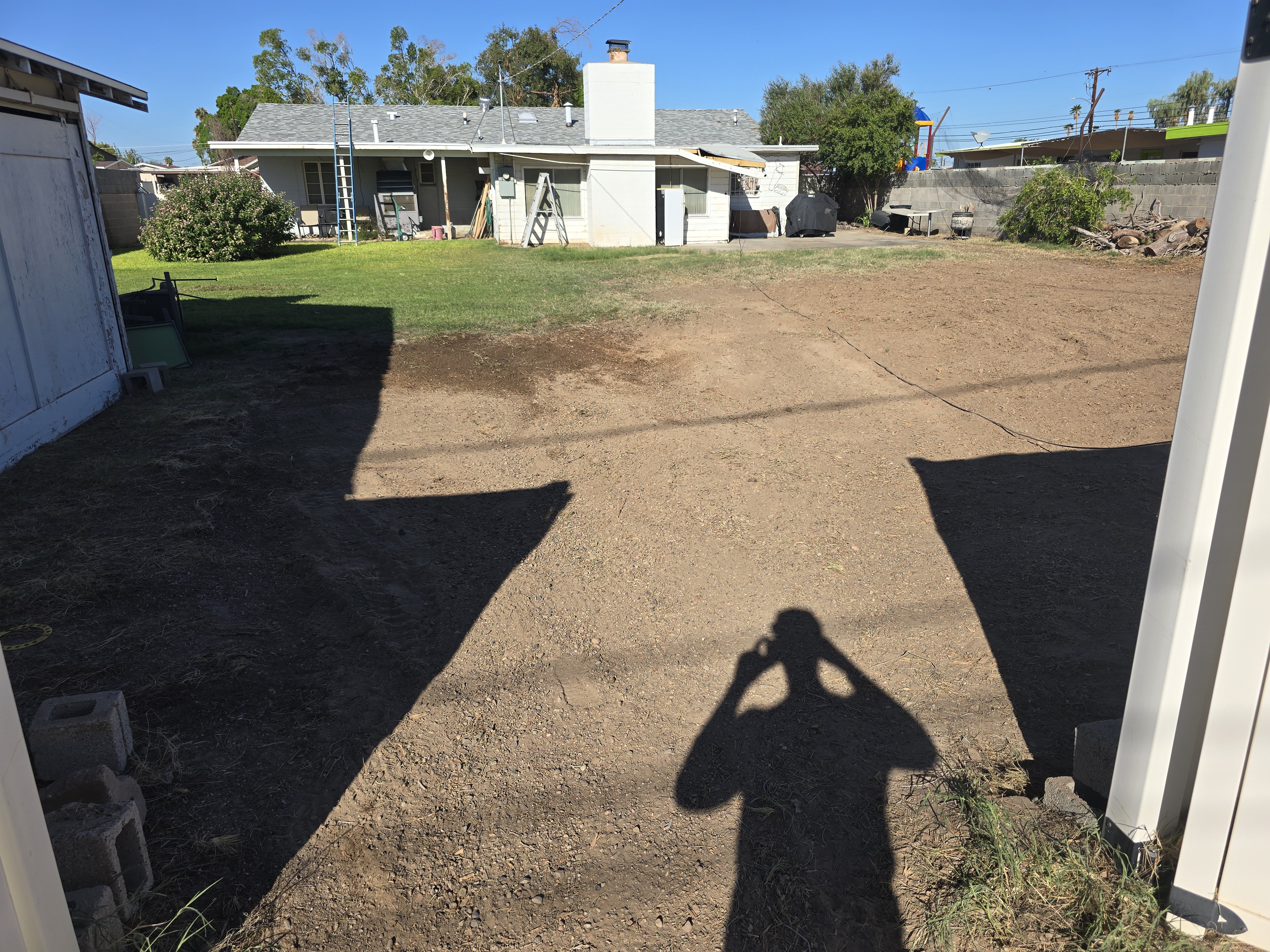
Real NEXTLEVEL field imagery
Emergency Tree Service FAQs
What should I do first in a tree emergency?
Stay away from the hazard, keep people clear, avoid touching anything near utilities, and call for guidance.
Do you handle blocked driveways or access?
Yes. Restoring safe access is a common emergency priority.
Can you work after storms?
Yes, depending on conditions and availability. Hazardous situations can be prioritized.
Will insurance need documentation?
Photos, scope notes, and proof of insurance can help when property owners need documentation.
Do not wait on an unstable tree.
Call NEXTLEVEL for urgent tree service and storm cleanup in Yuma County.